Guides, stories and sourcing tips from the Titanium Valley.
Practical material guides and industry knowledge for buyers of titanium tableware, camp gear and OEM projects — written by the team behind LeafCovenant in Baoji, China.
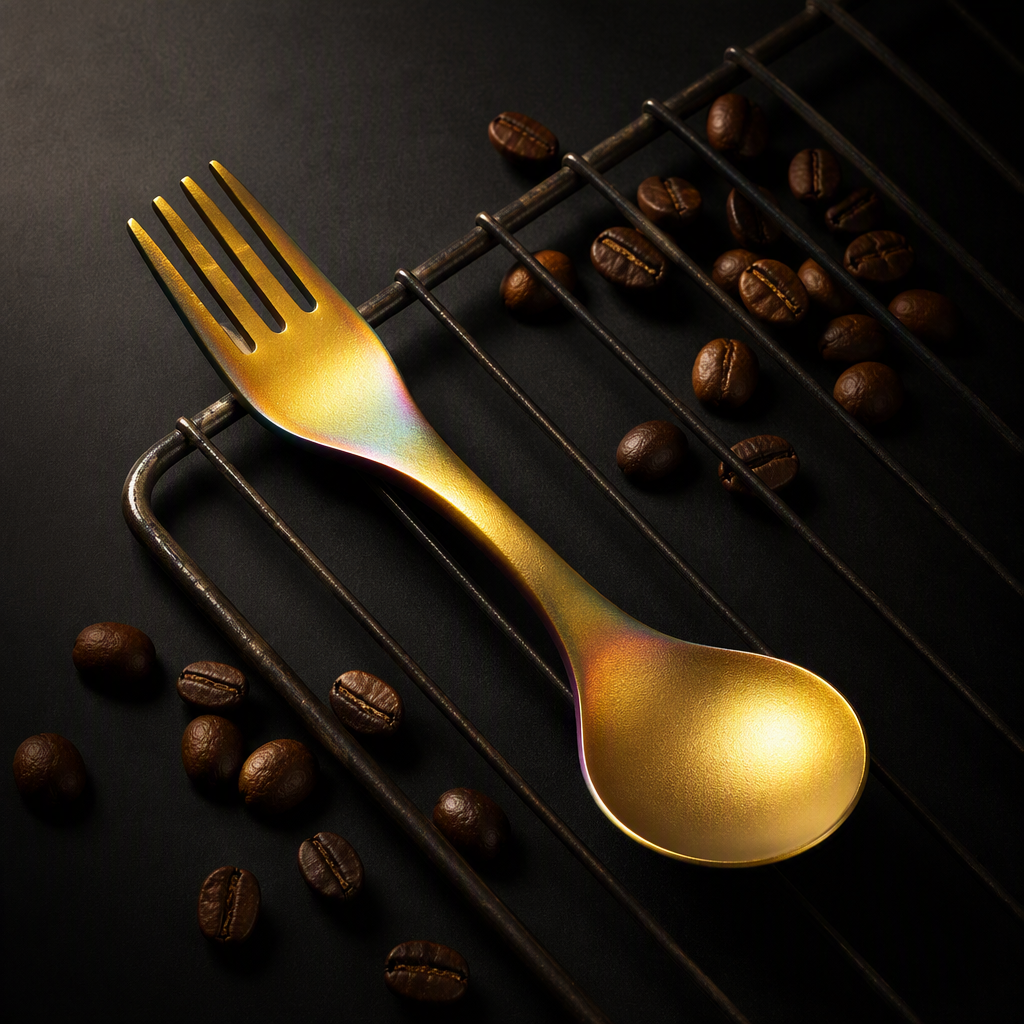
Titanium vs Stainless Steel Tableware: The Complete Buyer's Guide
Weight, taste, corrosion, lifecycle cost — a practical comparison for wholesale buyers deciding between titanium and stainless steel tableware.
Read article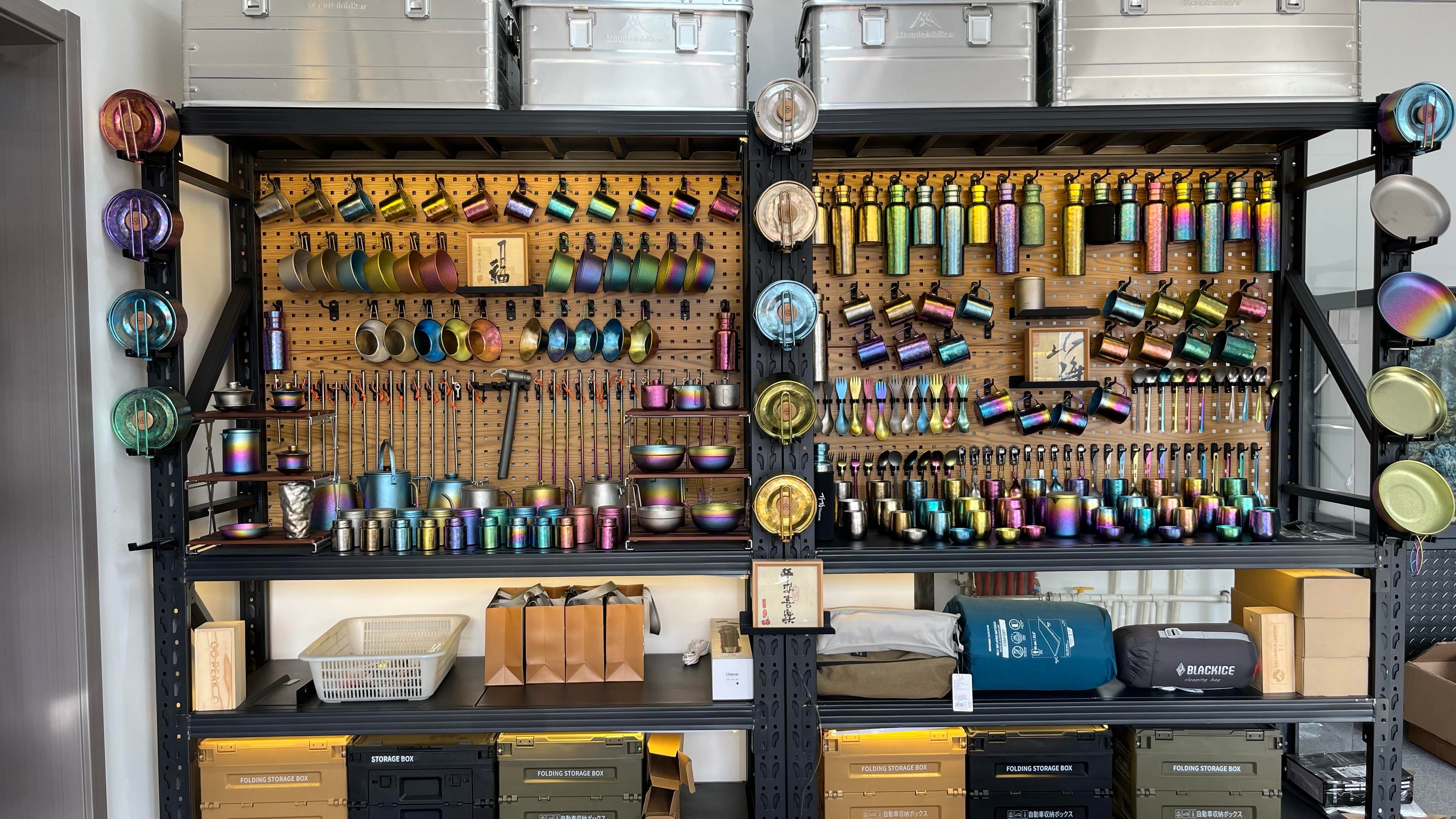
Inside Baoji, China: The World's Titanium Valley
Why the city of Baoji in Shaanxi became the world's titanium capital — and what that means for the quality and cost of your titanium products.
Read article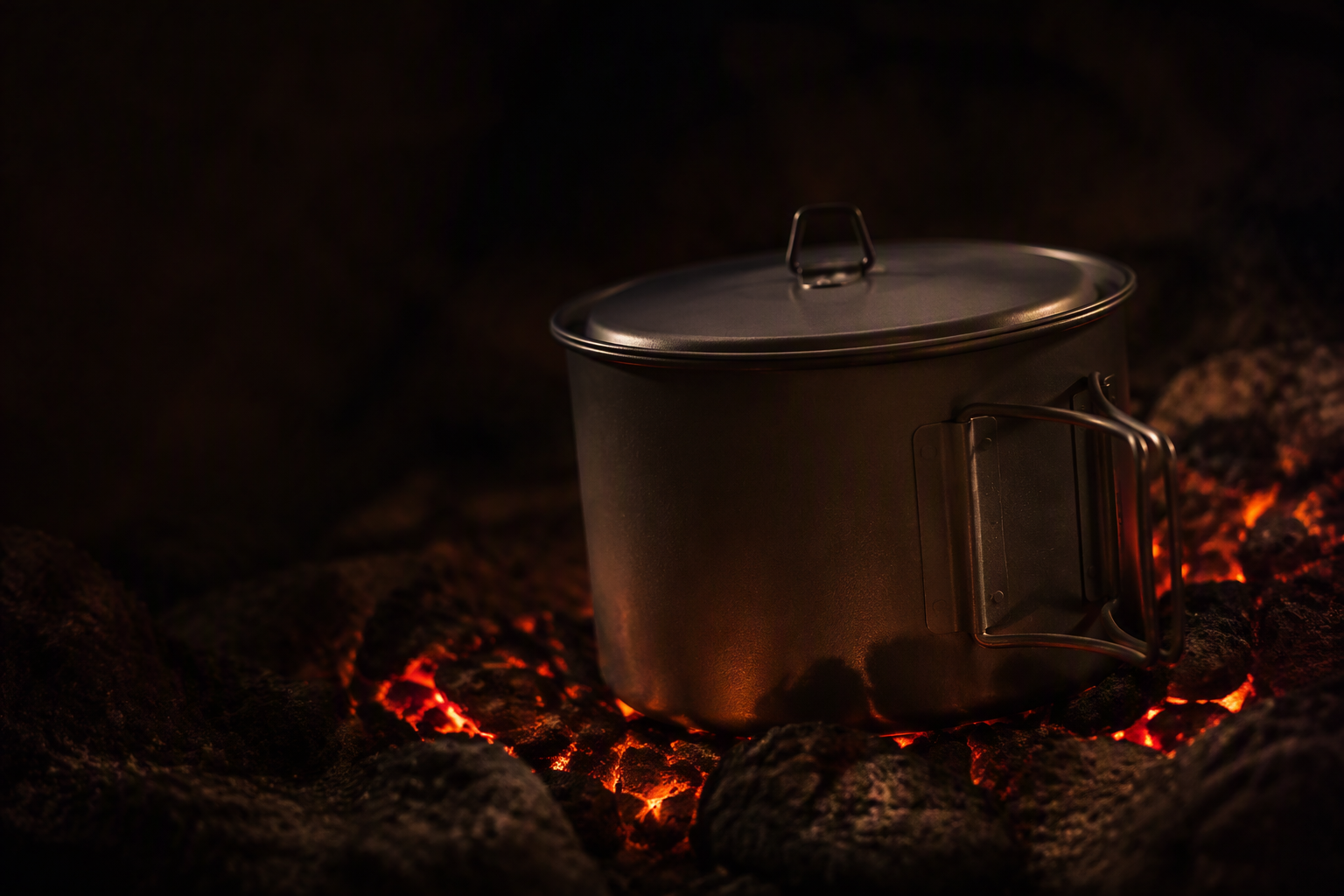
How to Choose a Titanium Camp Cookware Supplier: MOQ, OEM and Quality Checks
A step-by-step sourcing checklist — specs, sampling, material verification, OEM terms and freight — for importing titanium camp cookware without surprises.
Read article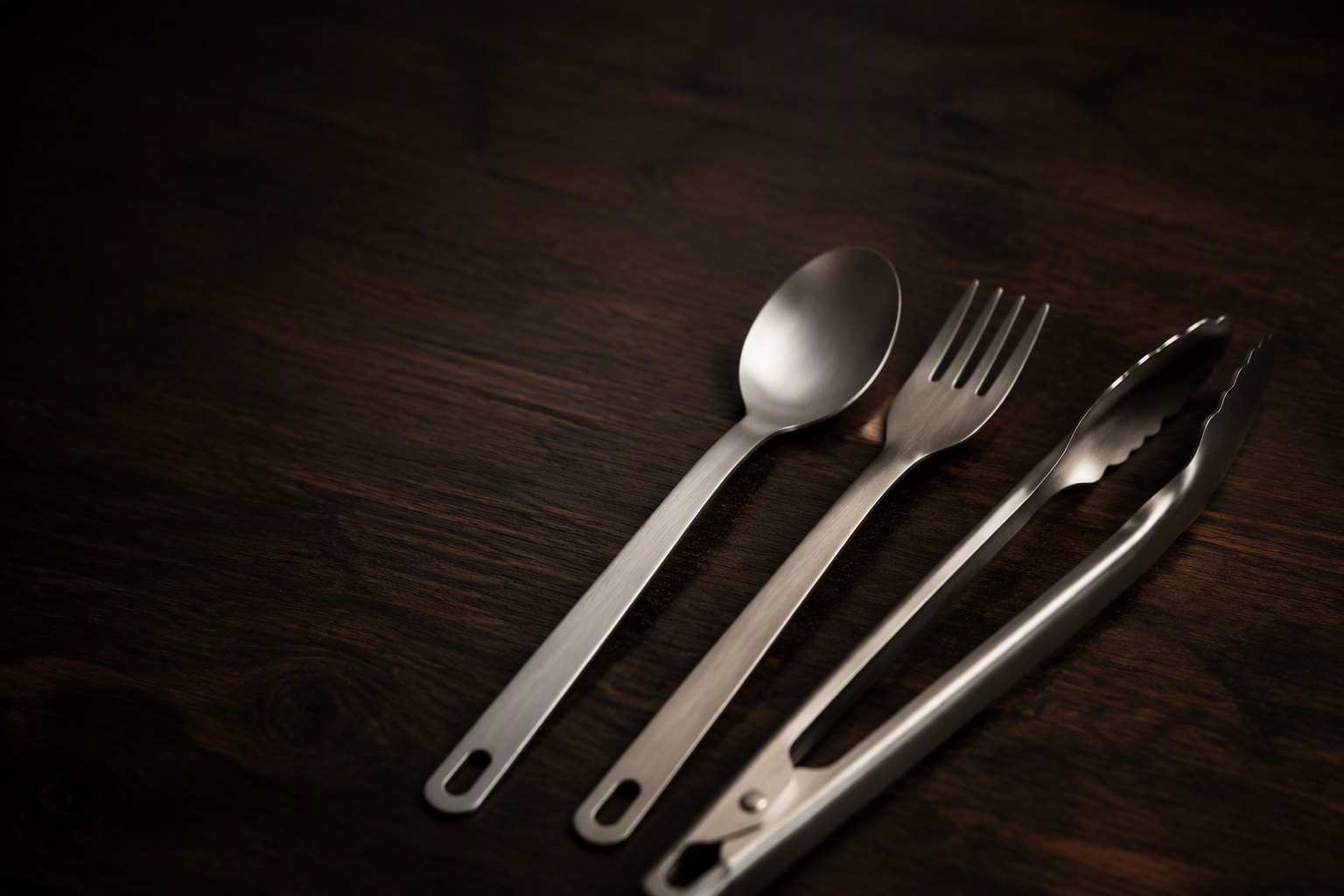
Titanium Camping Gear: What to Actually Pack (A Field-Tested Guide)
Mug, pot, utensils, kettle or grill? A practical, field-tested guide to the titanium camping gear that earns its place in your pack.
Read article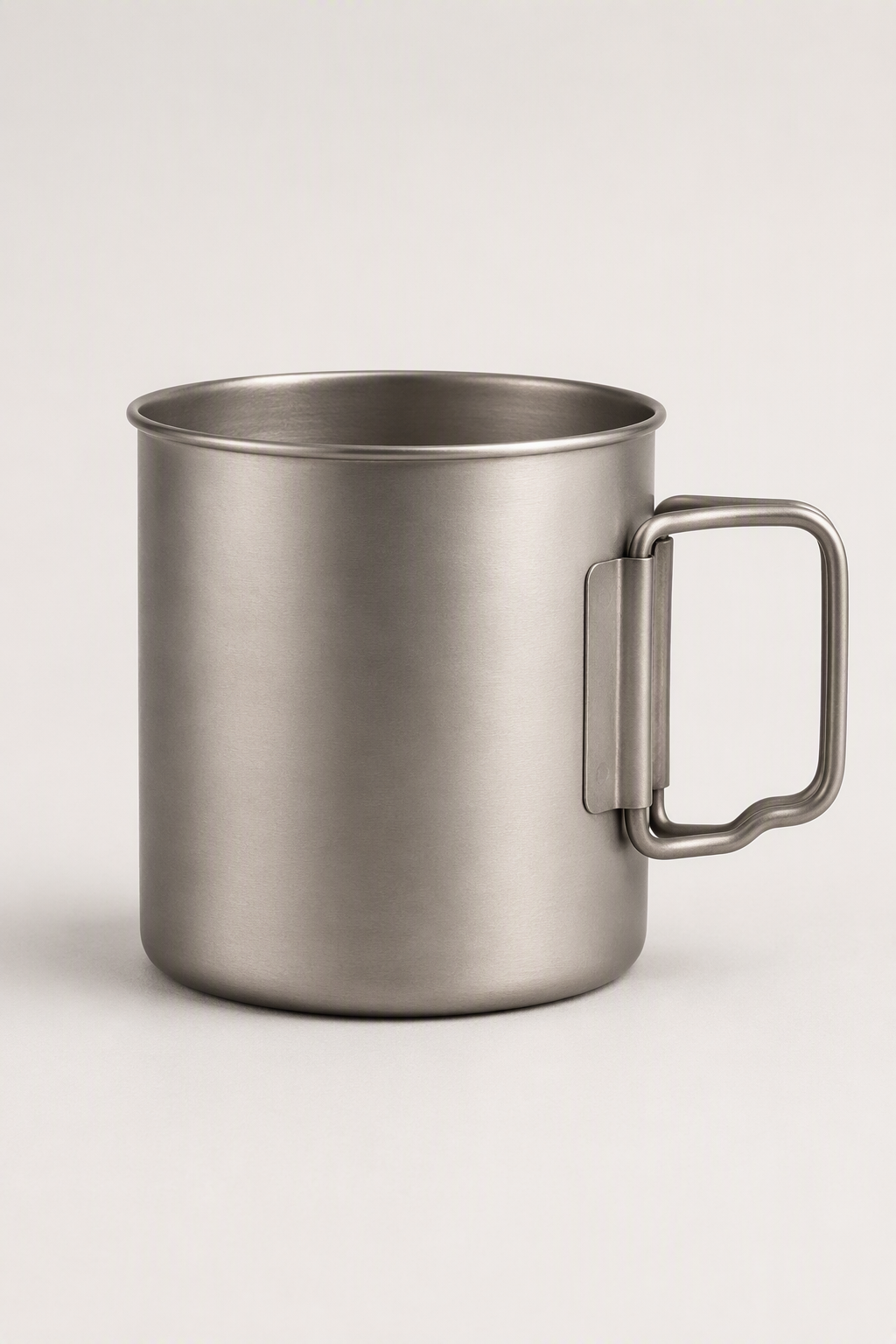
Titanium Anodizing Colors Explained: What the Rainbow Means (and Whether It Matters)
Gold, blue, purple, rainbow — titanium anodizing creates colors with electricity, not paint. Here is how it works and why it matters (or doesn't) for buyers.
Read article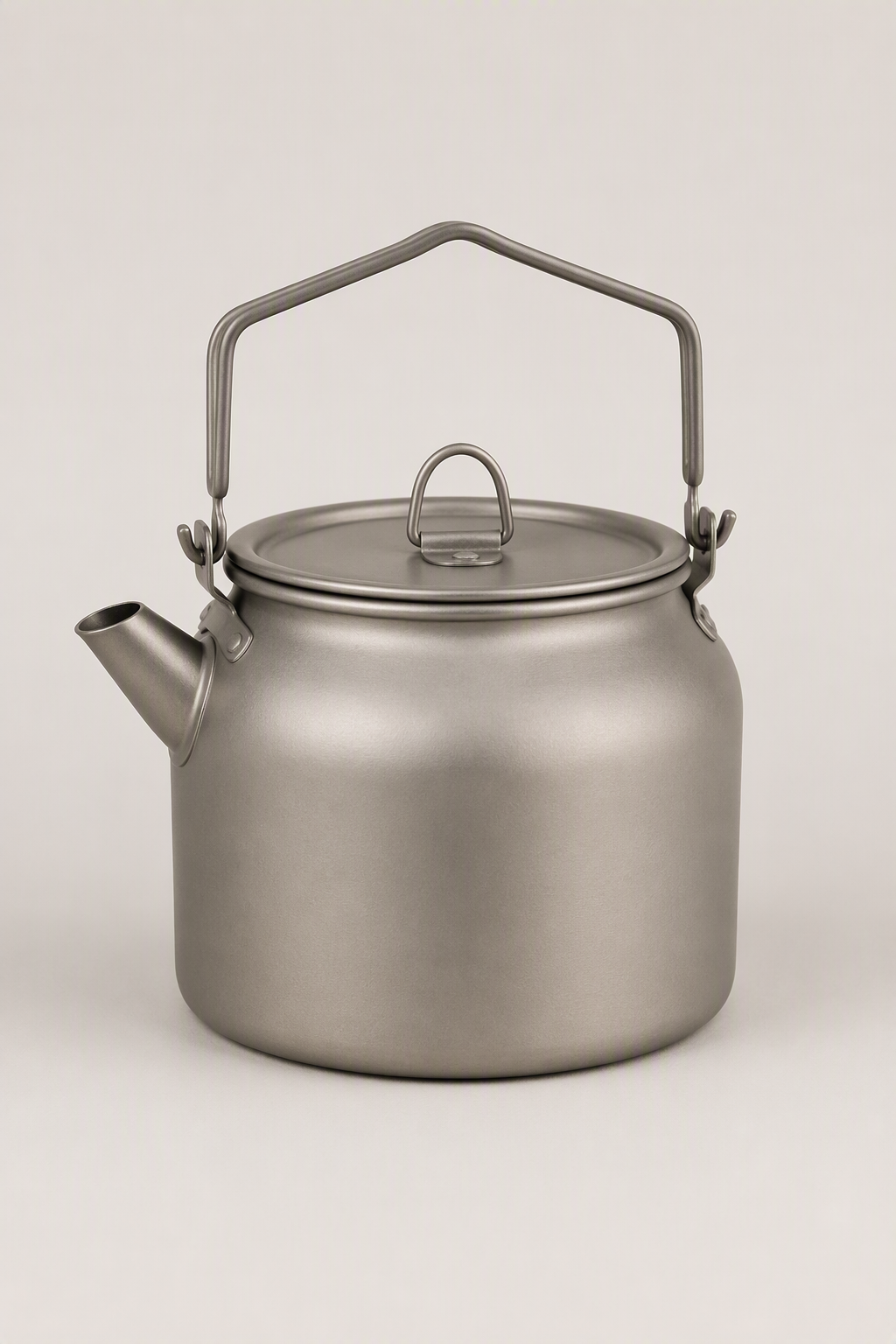
The Ultralight Camper's Titanium Cook Kit: What to Pack (and Skip)
Solo pot or full set? Kettle or mug-first? A practical, field-tested answer to what titanium cookware ultralight campers actually need.
Read articleHow to Order Custom Titanium Tableware: MOQ, Grades, Finishes and Lead Time
Grade 1 titanium, sandblasted or anodized, laser-engraved logo, MOQ from 5 pieces — the practical OEM checklist for private-label titanium tableware.
Read article
Titanium Camping Mugs: Single-Wall, Lidded or Nesting — Which to Stock
Single-wall, lidded or nesting? We compare the 450ml titanium mugs wholesale buyers stock most — real weights, finishes and the use cases behind each one.
Read article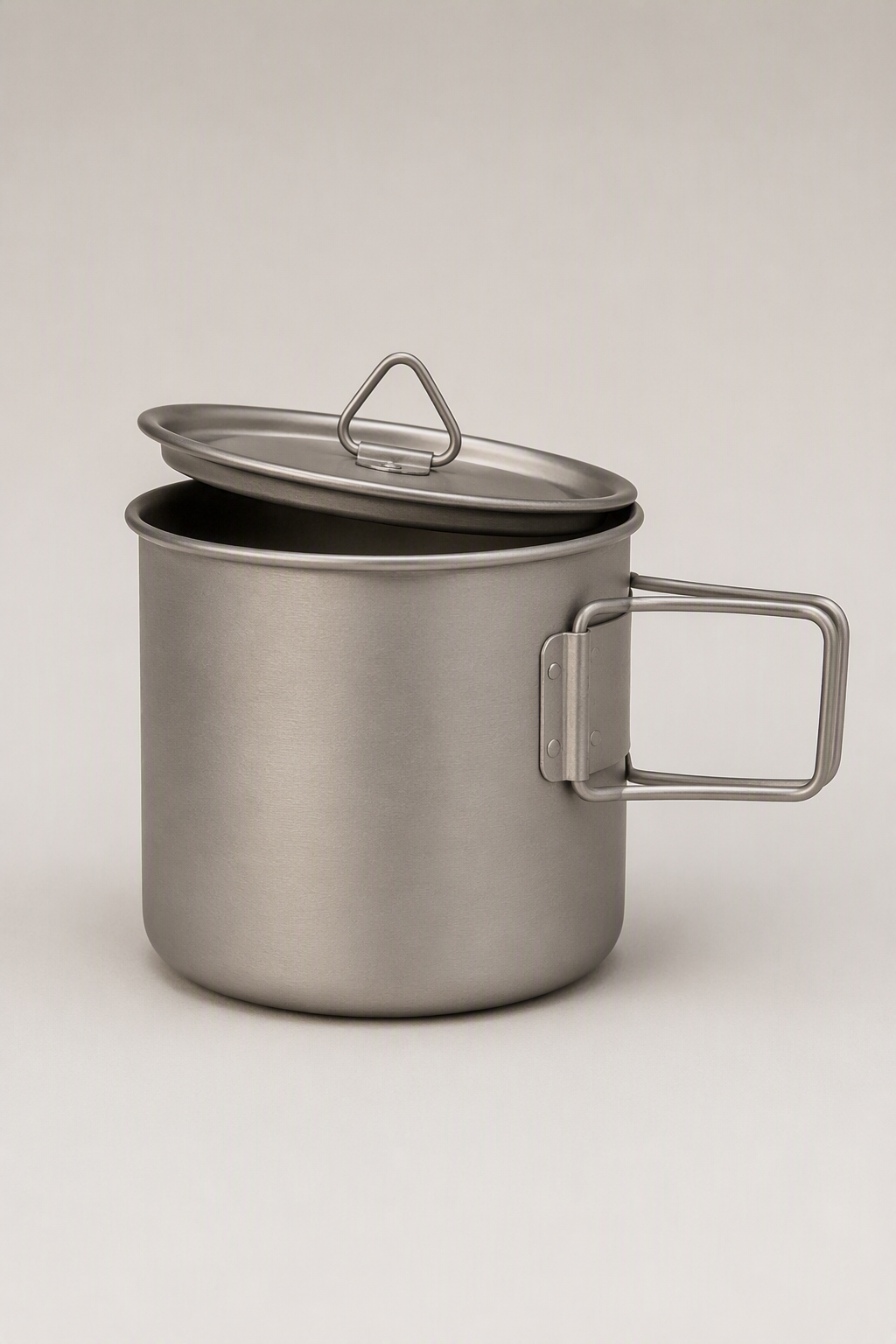
Titanium vs Aluminum Camp Cookware: An Honest Comparison for Wholesale Buyers
Density numbers lie: finished titanium pots are lighter, but aluminum boils water faster and costs a fraction. The honest trade-offs for your product line.
Read article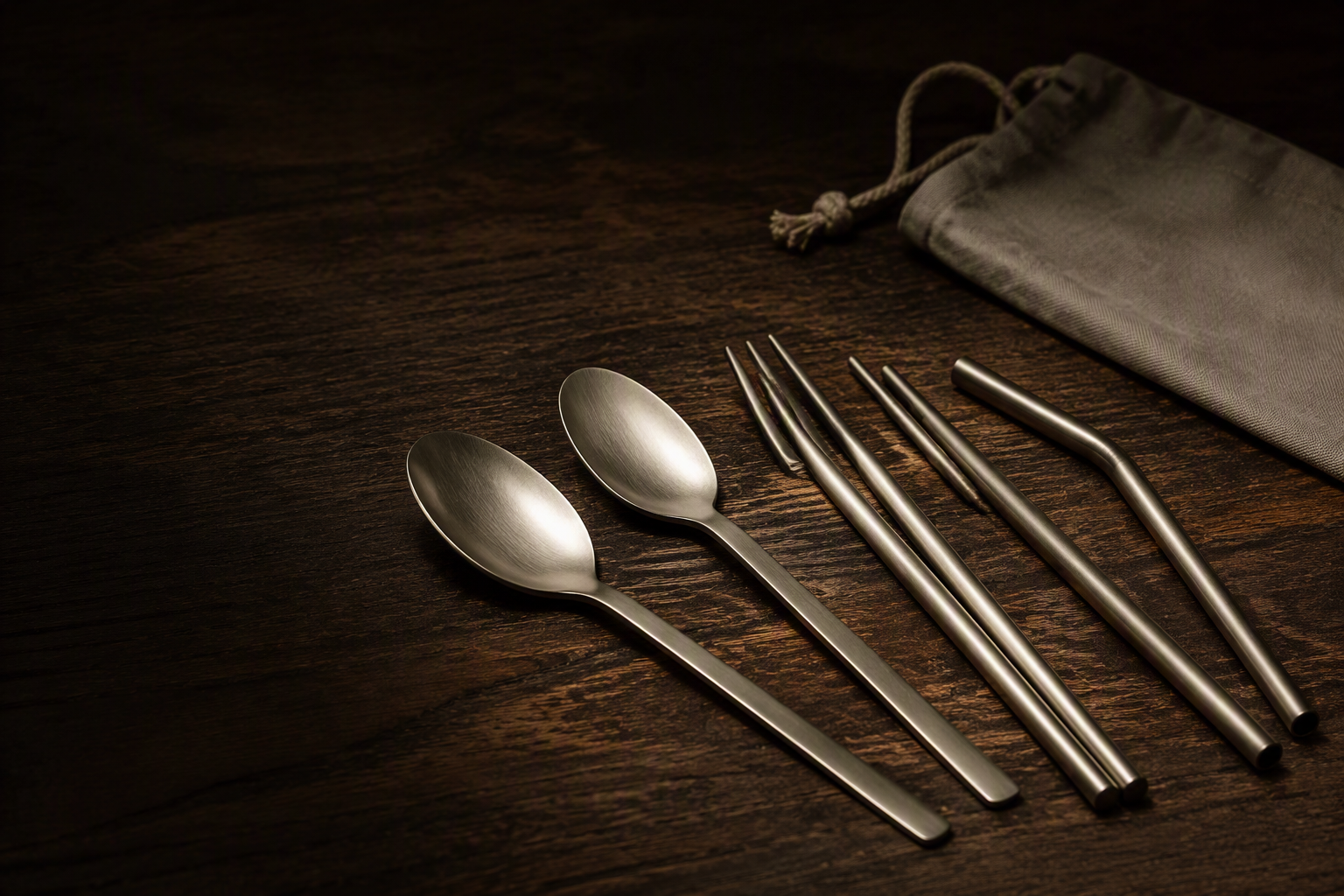
Grade 1 vs Grade 2 Titanium: What Food-Safe Tableware Is Really Made Of
All 'pure titanium' is not the same. Grade 1 bends before it breaks and resists corrosion best - why cutlery, cups and cookware use it. Grade 2 is stronger; aerospace Grade 5 has no food-contact role.
Read article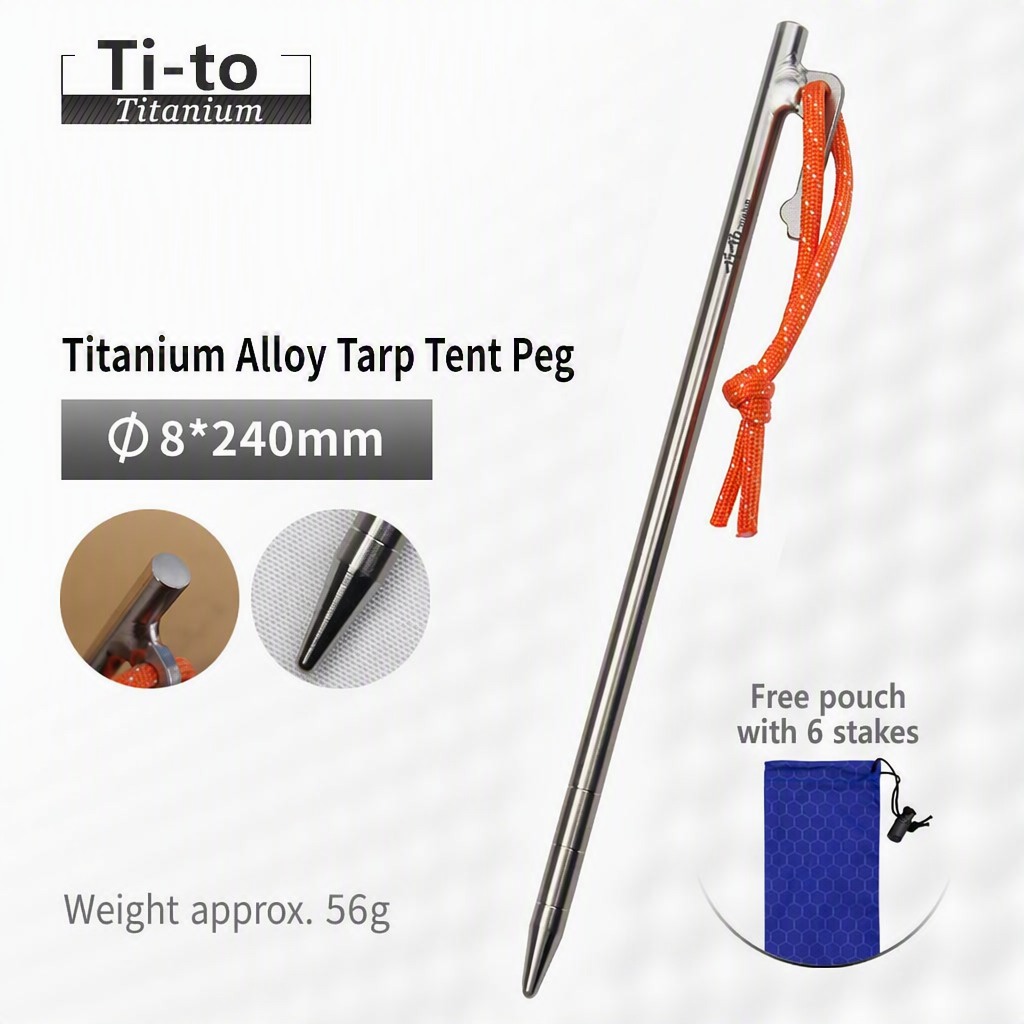
How to Choose Titanium Tent Stakes: Length, Shaft and Head Explained
Stakes are the cheapest upgrade a camping brand can add, and the easiest to get wrong. Length, shaft diameter and head style decide whether a peg holds a tent or bends at the first hard pitch.
Read article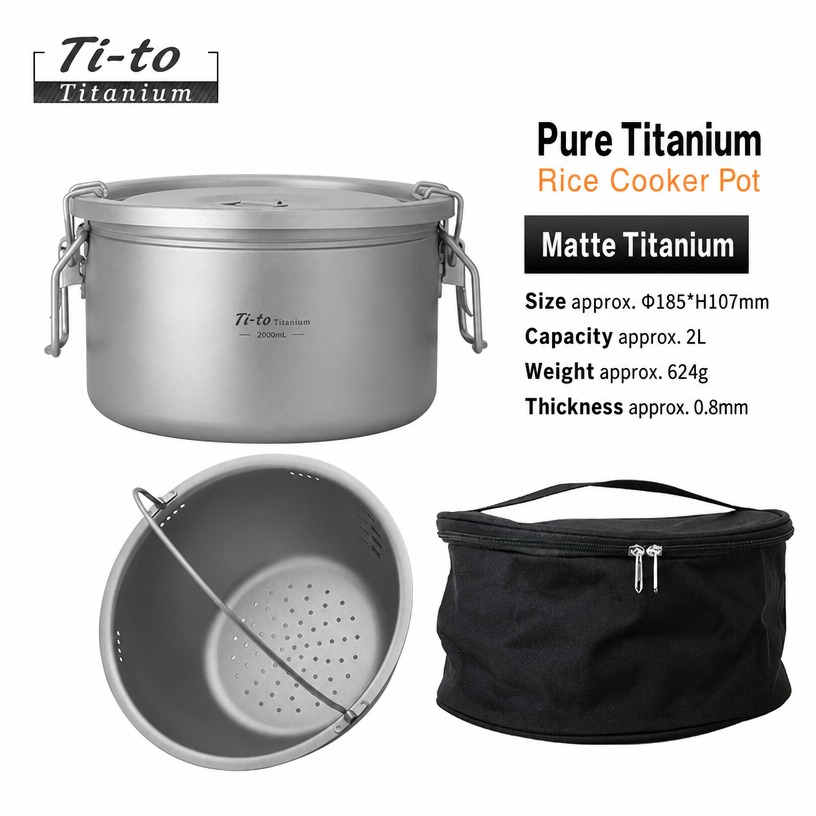
Titanium Micro Pressure Pot 2L: Camp Rice, Stews and What to Stock
Camp cooking fails for one reason: fuel and time. A 2 L micro pressure pot fixes both, at 624 g. Here is how it works, what it cooks best, and how to merchandise it.
Read article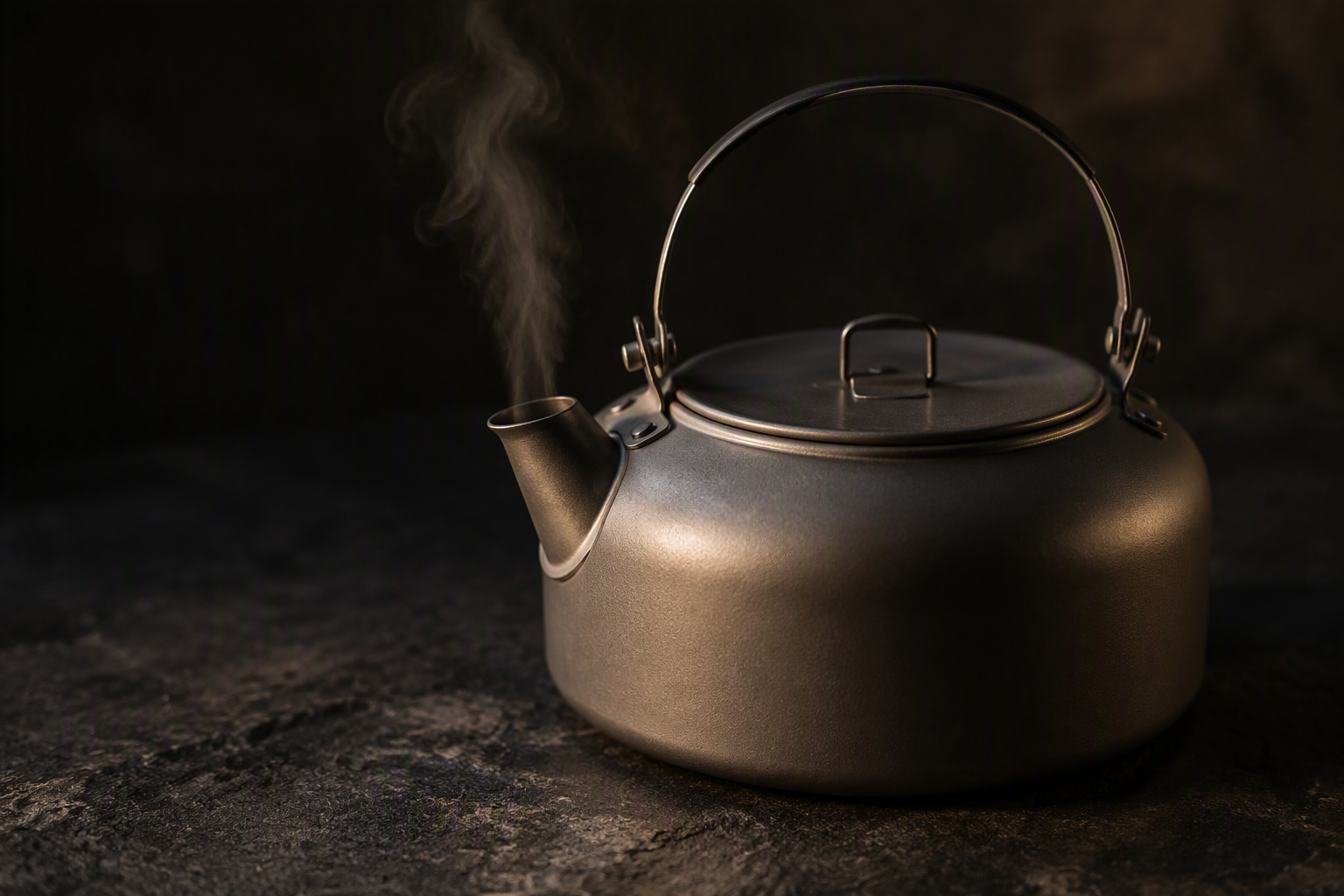
Titanium Kettles and Tea Sets: What Outdoor Retailers Should Stock
An 800 ml titanium kettle weighs 200 g, pours like a coffee kettle and doubles as the heart of a camp tea set. Here is how spout, format and finish decide the line.
Read article
Titanium Keychains and EDC Hardware: Gates, Rings and Weights Explained
Keychains are the highest-margin, lowest-risk line a titanium brand can carry - if the gate type matches the job. Here is how weight, gate and ring system decide what sells.
Read article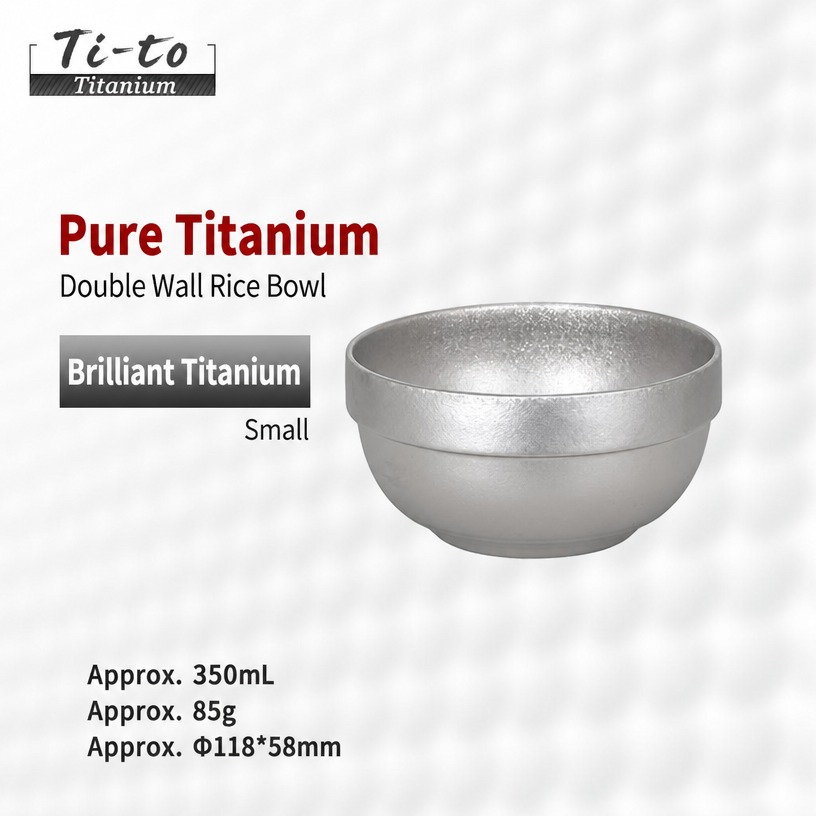
Titanium Bowls Explained: Double-Wall vs Single-Wall, 350 ml vs 450 ml
Insulated or single-wall? A practical spec guide to titanium bowls and bowl-and-spoon sets - capacity, wall construction, finishes and how the range sells.
Read article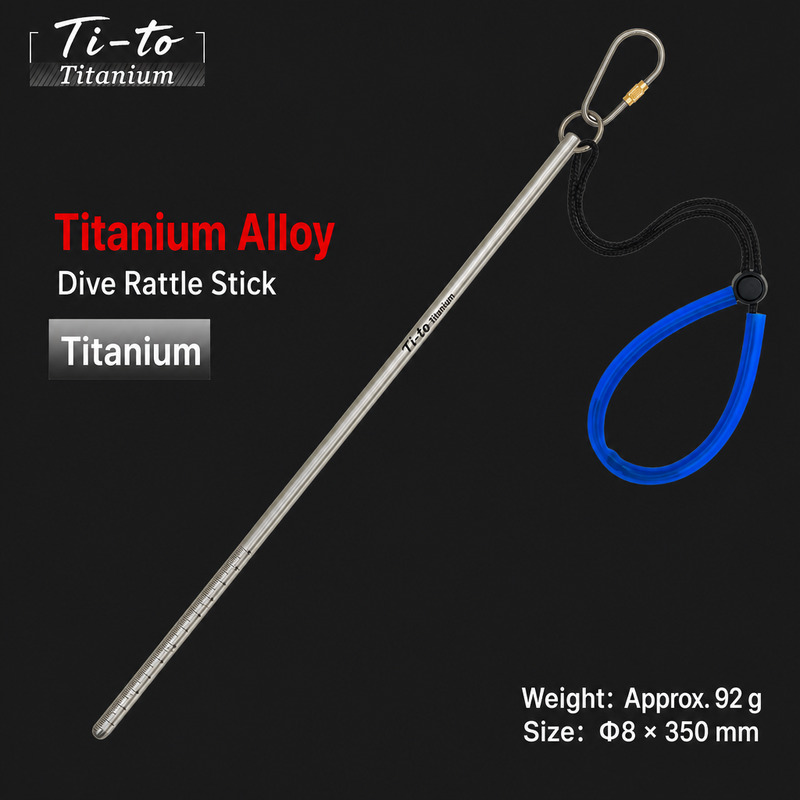
Titanium EDC Tools Beyond Keychains: Tweezers, Lanyard Beads and Dive Sticks
Titanium's non-magnetic, coating-free alloy is what makes it the right metal for the small tools on a lanyard or in a pocket. Here is how to spec them.
Read article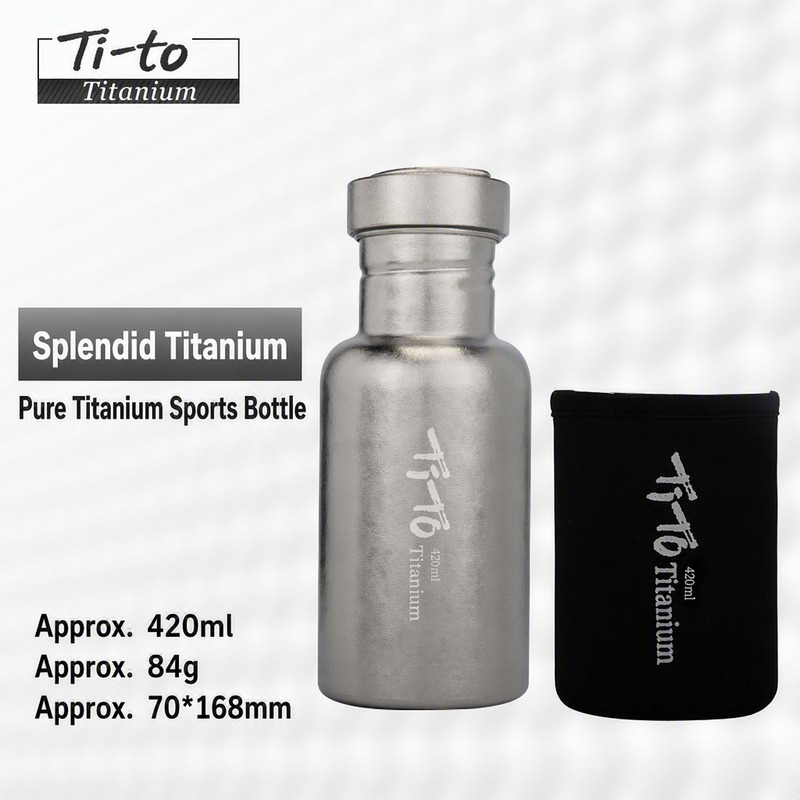
Titanium Water Bottles: What 84 g, Plastic-Free and Grade 1 Really Mean
No liner, no coating, no taste - the case for a titanium bottle is a materials case. Here is how 84 g and grade 1 TA1 translate into a buying decision.
Read article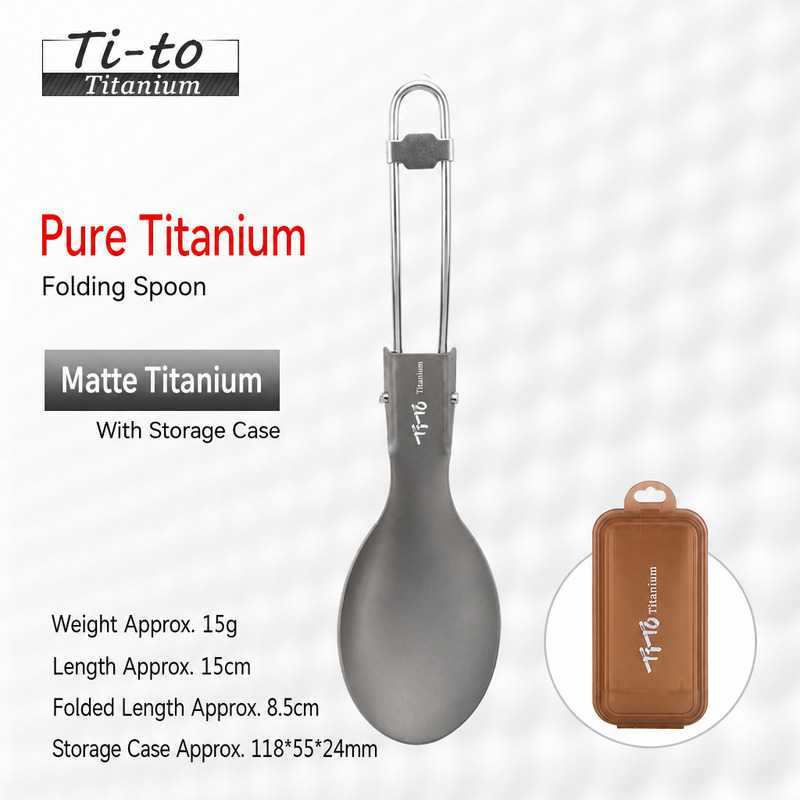
Titanium Folding Cutlery: 15 g, 8.5 cm Folded, Full-Size When Open
Fifteen grams, folded to 8.5 cm and opening to a full 15 cm reach - the case for titanium folding cutlery, and how buyers build the range.
Read article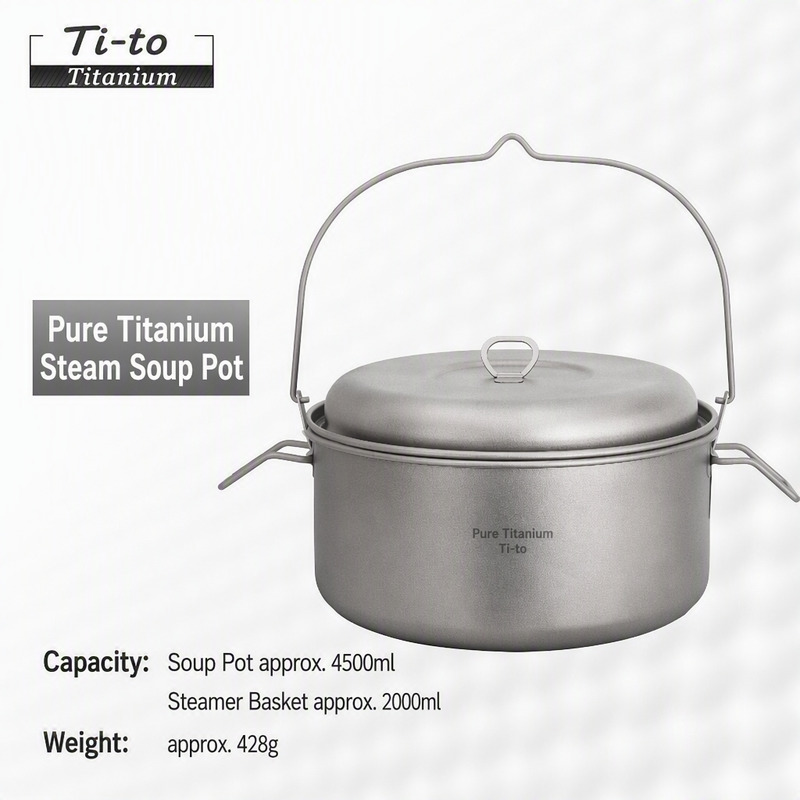
Titanium Stock Pots: What a 4.5 L Campfire Batch Cooker Is Actually For
Big-volume outdoor cooking is where titanium earns its place: inert against acid and brine, coating-free and light for its size. Here is how the sizes split.
Read article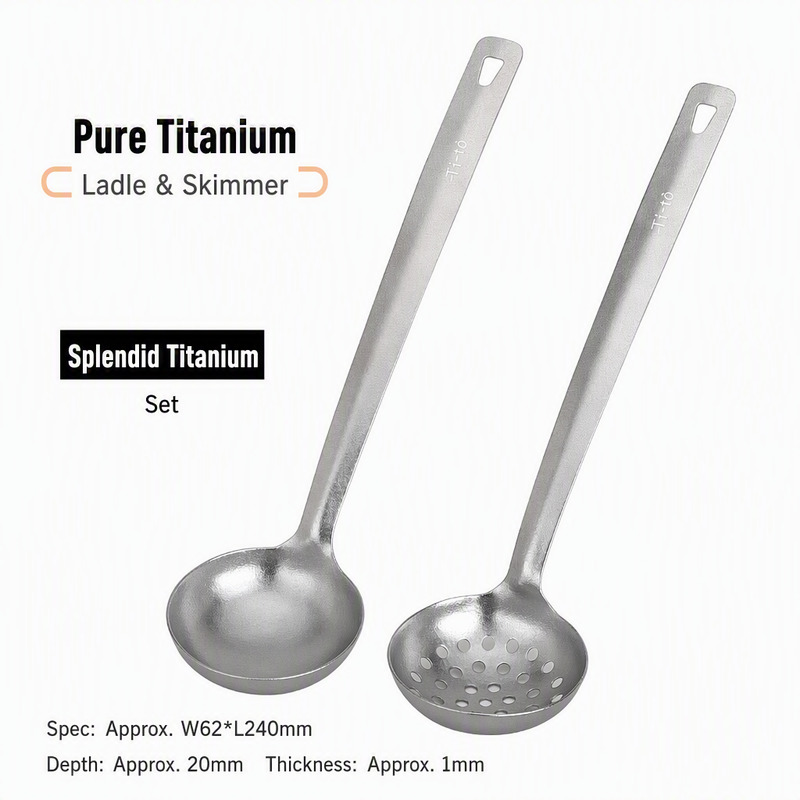
Titanium Ladle and Skimmer Sets: Soup Service, Buffets and Batch Kitchens
The ladle is the tool that decides whether a big pot works. Why service kitchens, buffets and canneries choose titanium, and how to pair the right one.
Read article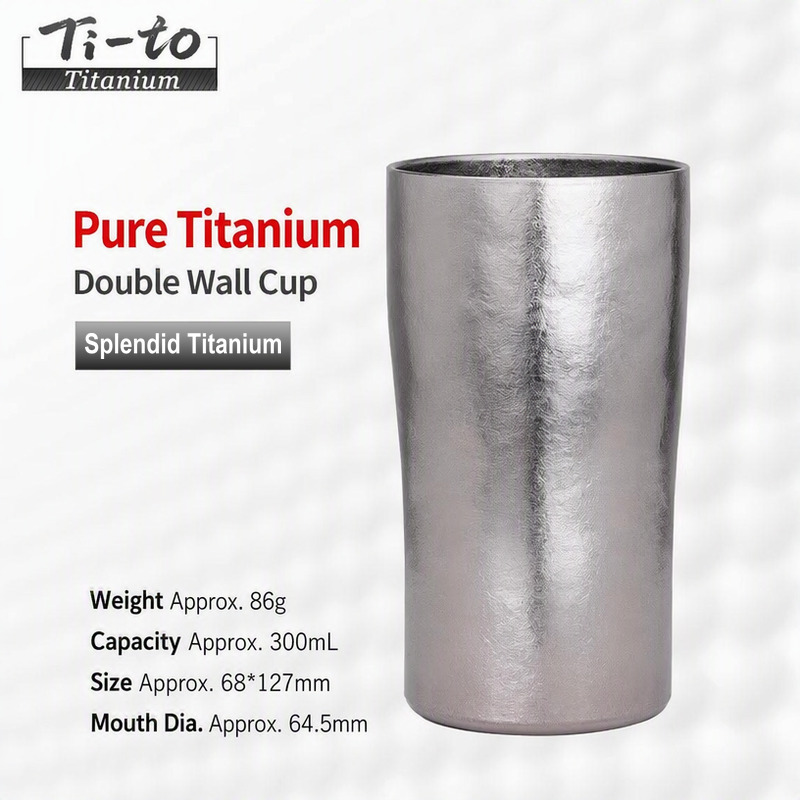
Titanium Care and Cleaning: Discolouration, Dishwashers and Anodized Finishes
Heat tint, hard-water spots and dishwasher questions, answered: what is normal for grade 1 titanium, what genuinely damages it, and what to tell end customers.
Read article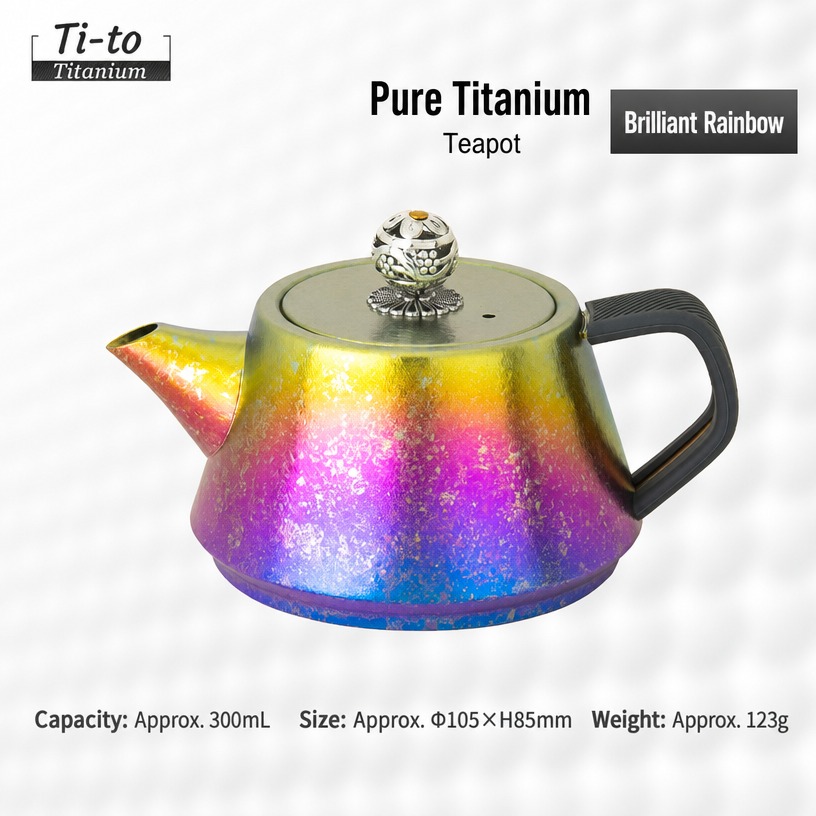
Building a Titanium Holiday Gift Range: What Wholesale Buyers Ask First
Twelve gift-ready pieces, six product lines, one buying window. What sells as a titanium gift, how the range groups into boxes, and what Q4 lead times really allow.
Read article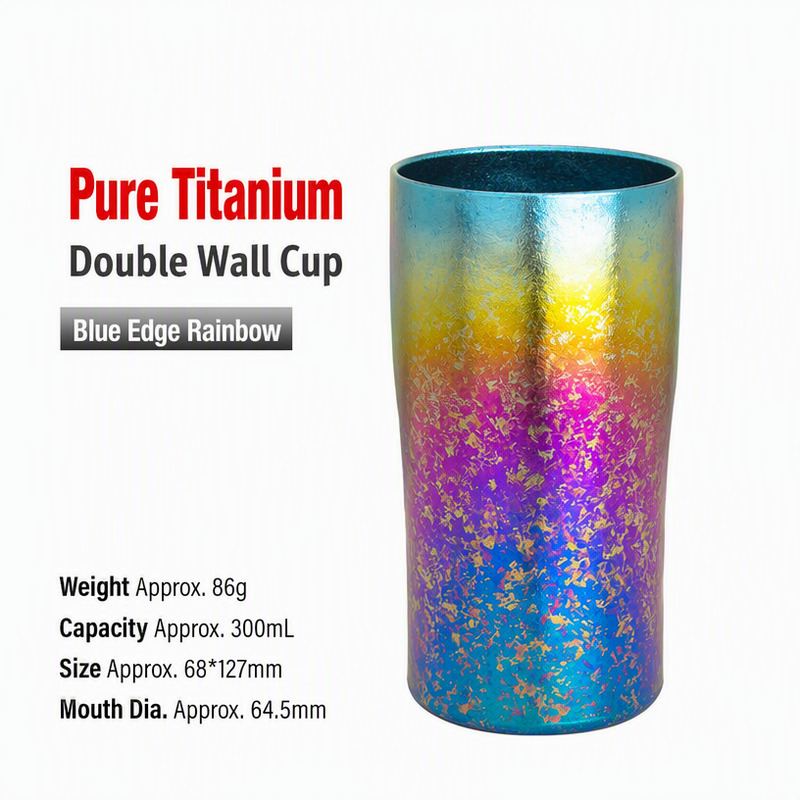
The 300 ml Titanium Cup: Why Double-Wall Is the Size That Gets Used
One size, twenty-one finishes. Why a double-wall 300 ml titanium cup at 86 g ends up as the piece customers reach for daily - and how the range is built.
Read article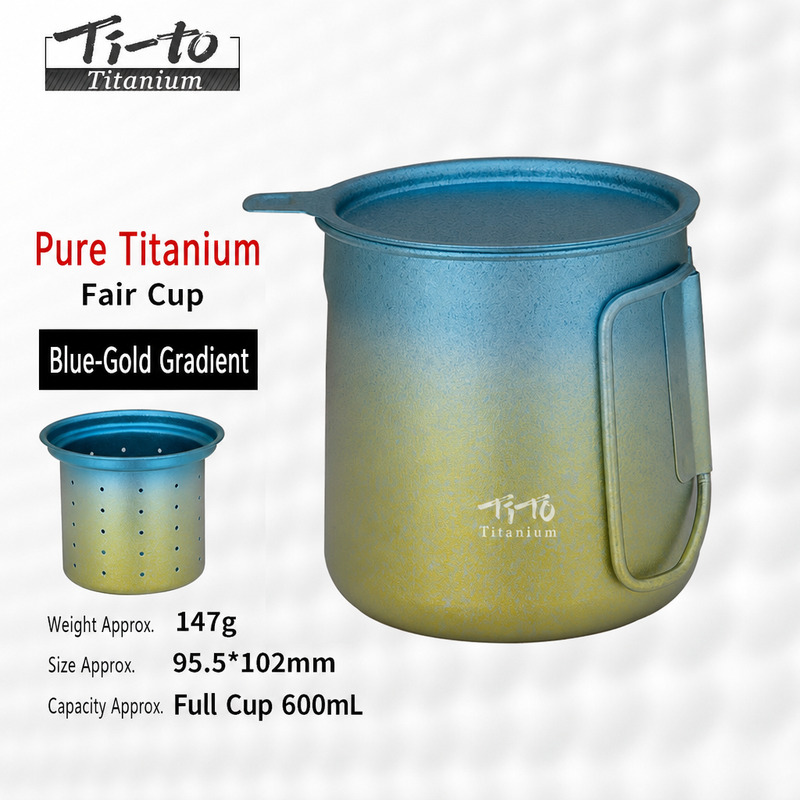
The 600 ml Titanium Mug: The Size Between a Personal Cup and a Kettle
Six hundred millilitres is a serving size, not a drinking size. What the twelve SKUs cover, which formats buyers should stock, and how the finishes split.
Read article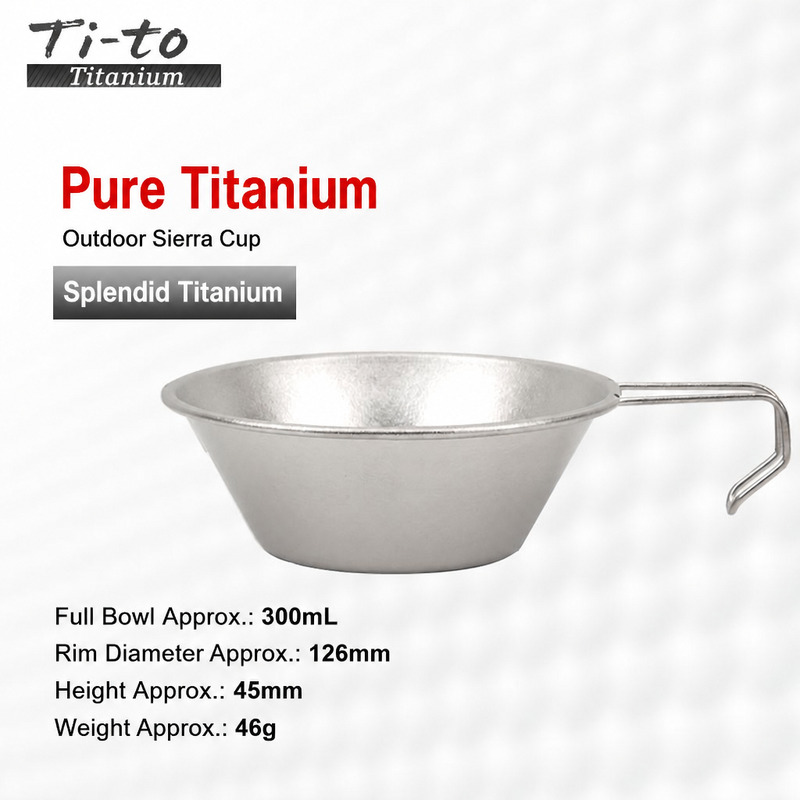
The Titanium Sierra Cup: 300 ml, 46 g and Twelve Finishes
One wide, shallow bowl, twelve finishes, thirty-three SKUs. What a 46 g Sierra cup does that a mug cannot, and how the three-piece kits around it sell.
Read article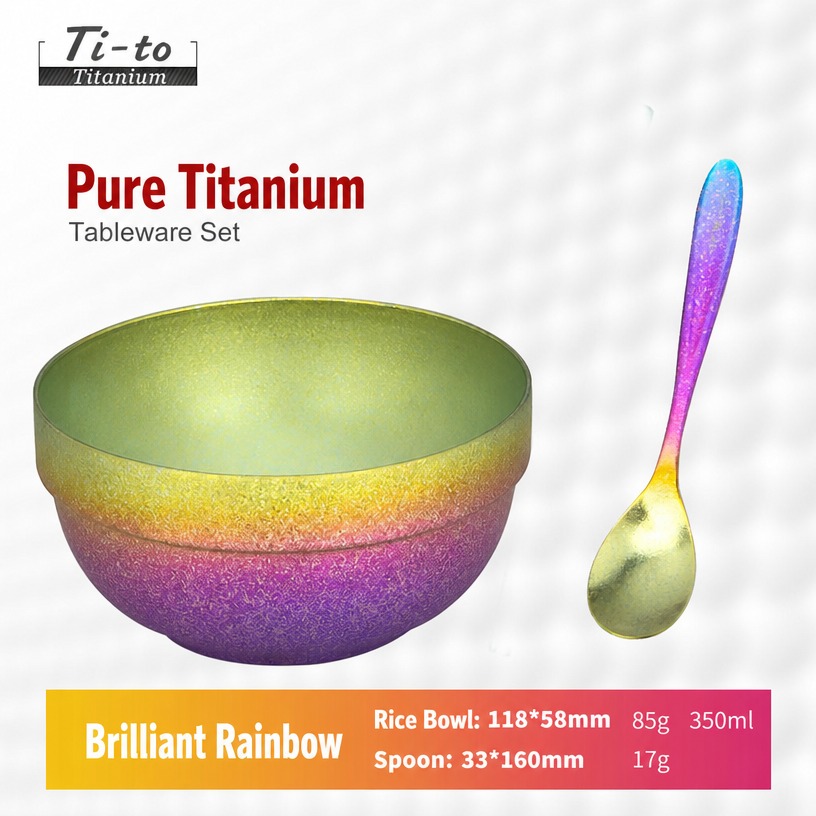
Titanium Rice Bowl Sets: 350 ml vs 450 ml, and Why Chopstick Length Matters
Two bowl sizes, five set weights, three finishes. How the 21-SKU rice bowl family splits by capacity and meal type - and why 190 mm chopsticks sell.
Read article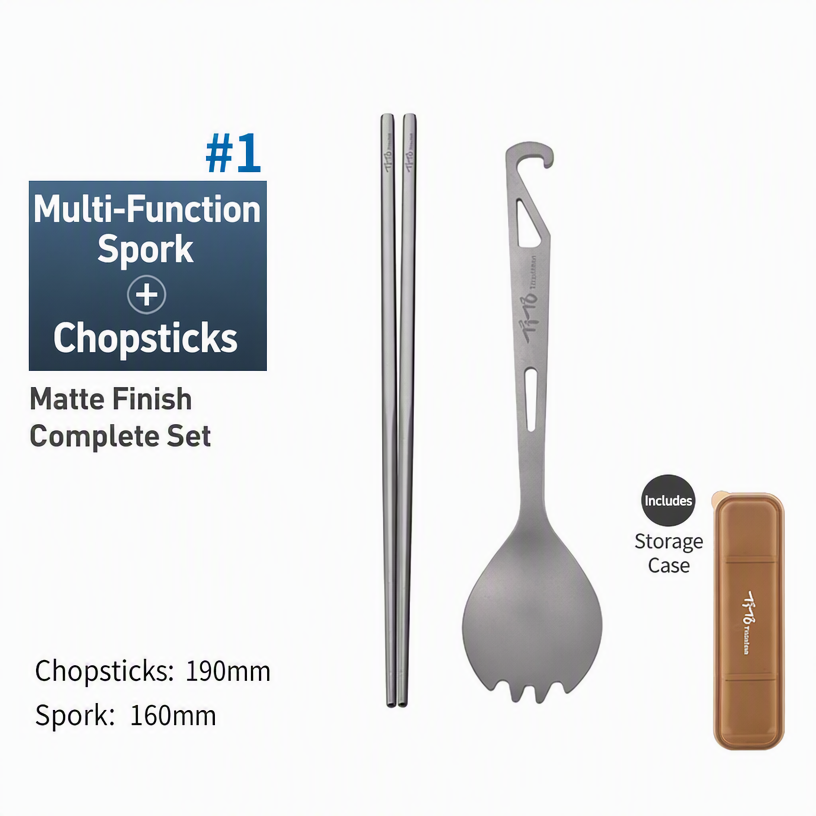
Titanium Travel Cutlery Sets: Does the Set Need a Fork?
Eleven cased cutlery sets from 38 g to 65 g, plus nine standalone 235 mm chopstick pairs - and the fork question that decides which one sells.
Read article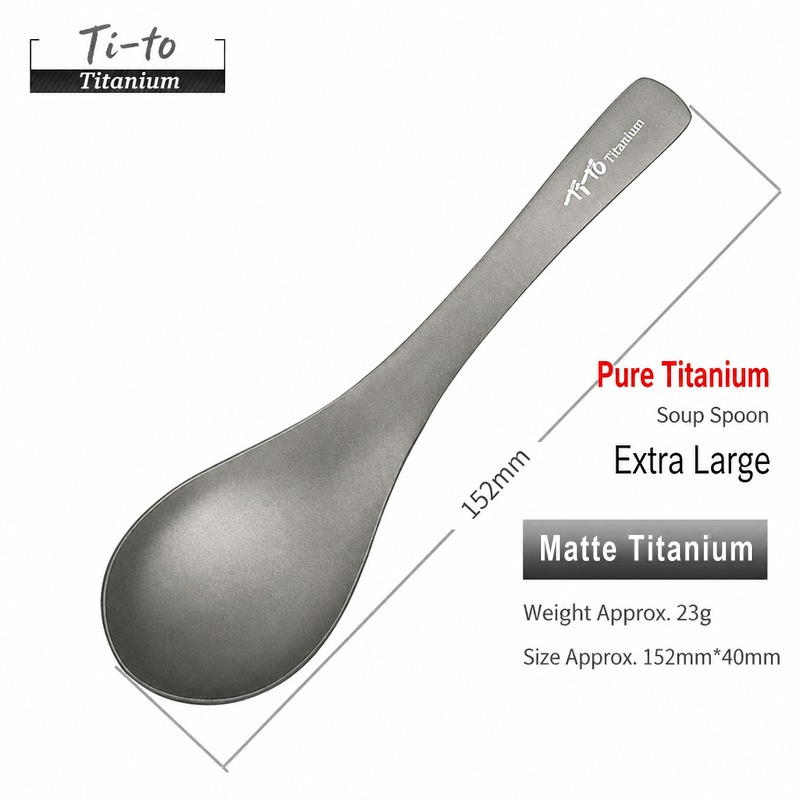
Titanium Serving Spoons: 152 mm vs 140 mm for Foodservice Buyers
Two lengths, fourteen SKUs, one finish grid. Why the 152 mm serving spoon and the 140 mm dessert spoon are different purchases - and which finishes survive service.
Read articleWhy a 300 ml Titanium Cup Can Weigh More Than a 450 ml One
Bigger does not mean heavier. Inside the range, a 300 ml double-wall cup outweighs a 450 ml single-wall cup by 28 g - and the reason changes how you should quote.
Read article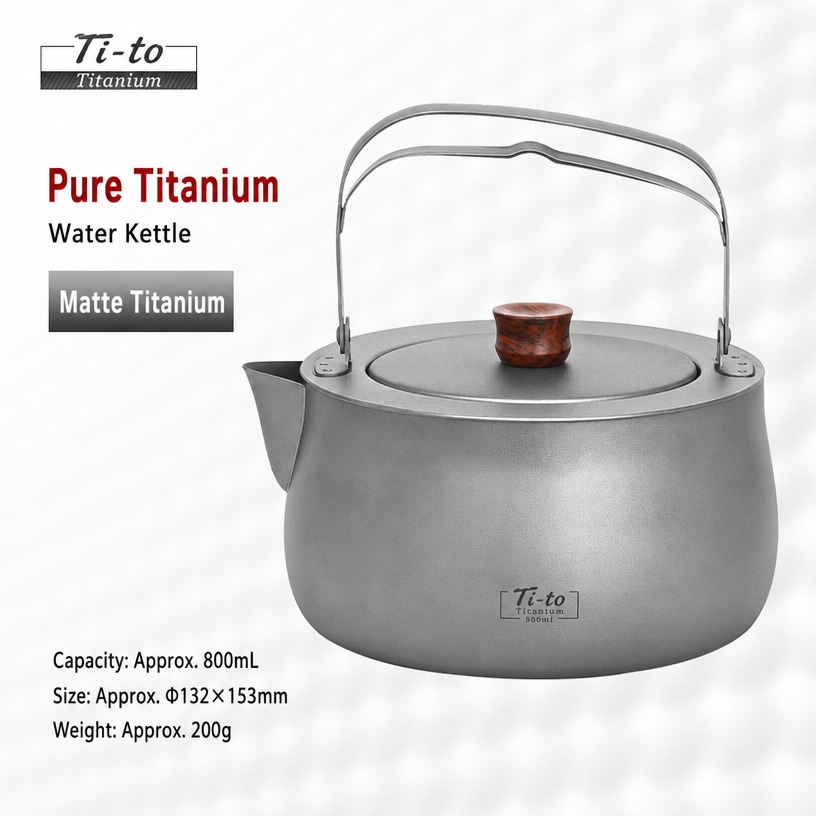
Where to Start With a Titanium Range: 7 Lines, 360 SKUs
Thirty kettles inside a 77 g band. One hundred and two tableware SKUs across a five-times span. What the count and the band tell a buyer before any photo does.
Read article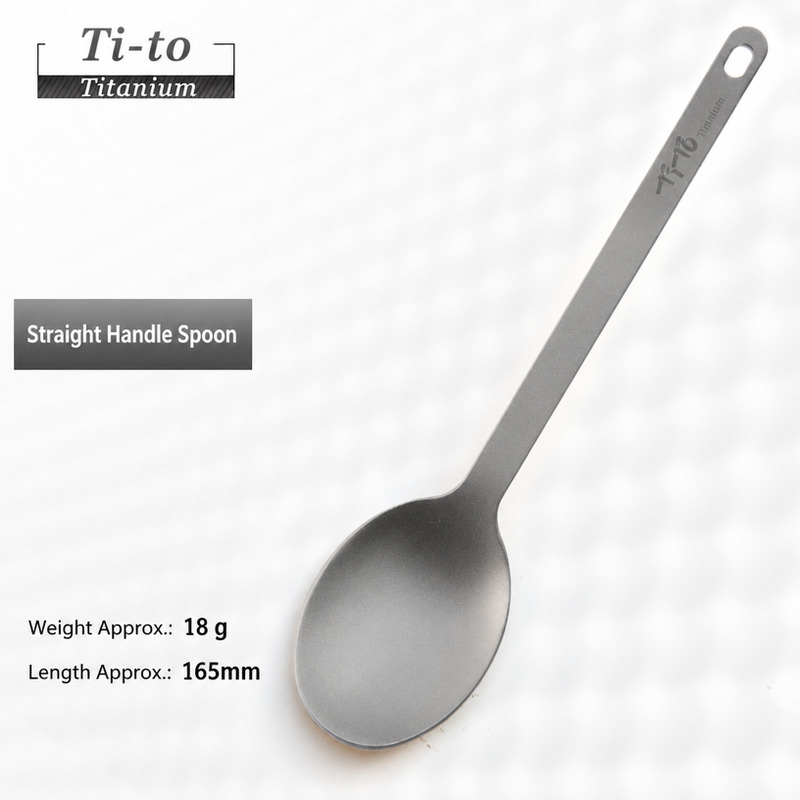
Titanium Surface Finishes: What the Ten Names on a Spec Sheet Mean
Ten finish names, three families, and a distribution that is anything but even: one line runs 87% anodized, another carries every raw piece in the catalogue.
Read article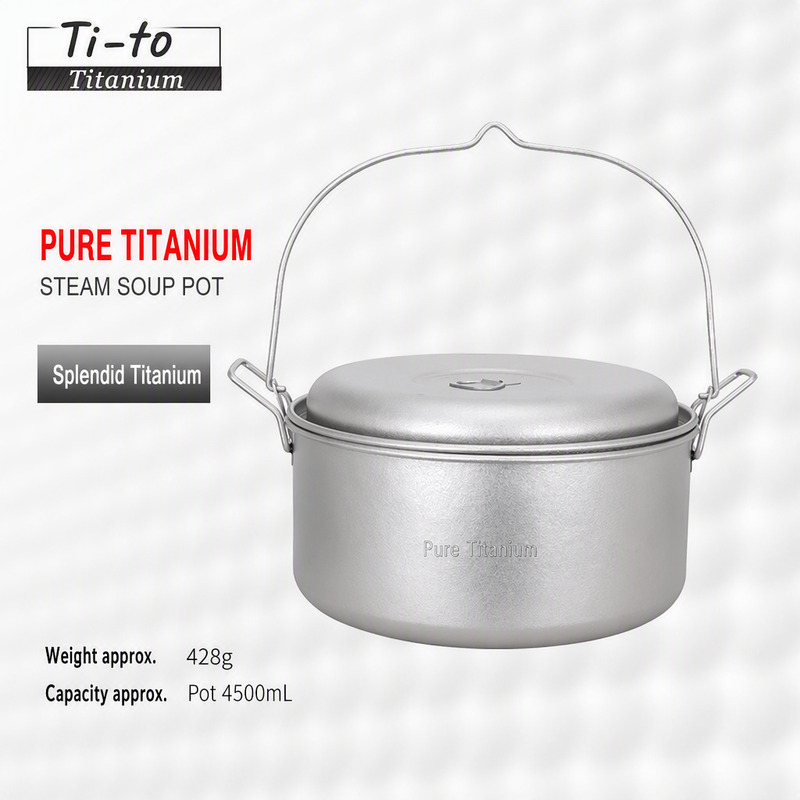
The Capacity Ladder: 360 Titanium SKUs, and the Gap in the Middle
A capacity list looks like a ladder. Mapped across a whole range it is not: two dense clusters, a thin middle, and one line with a genuine hole in it.
Read article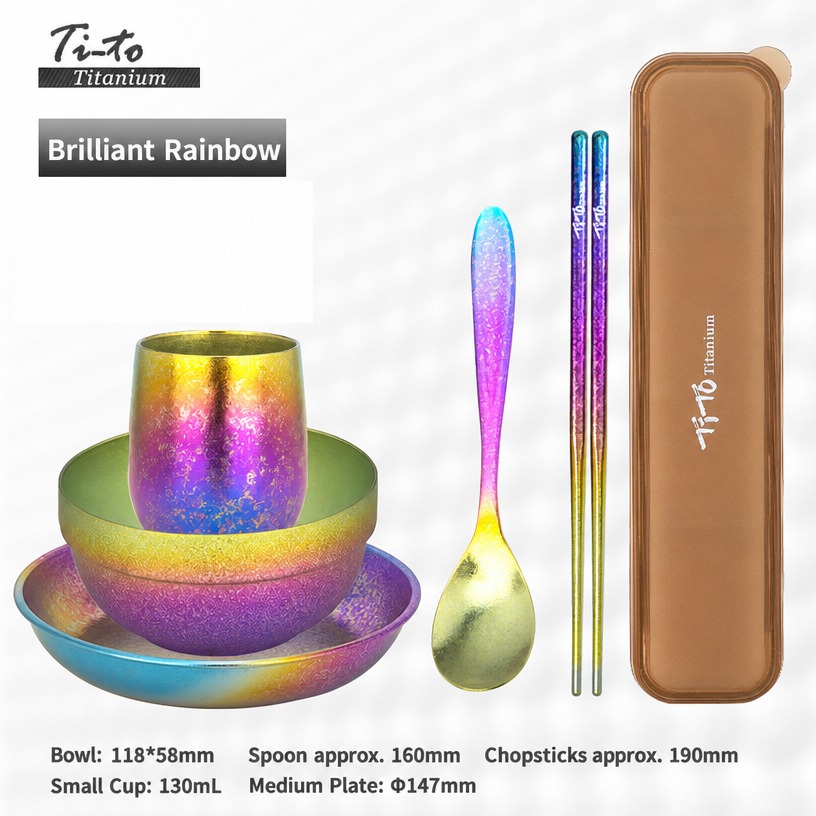
One Box, Six Ways: Titanium Nesting Lunch Kits, Spec by Spec
A lunch kit is a puzzle - bowl, plate, cup and cutlery that have to nest inside each other and still close. Six kits solve it the same way, and three numbers separate the child's set from the adult ones.
Read article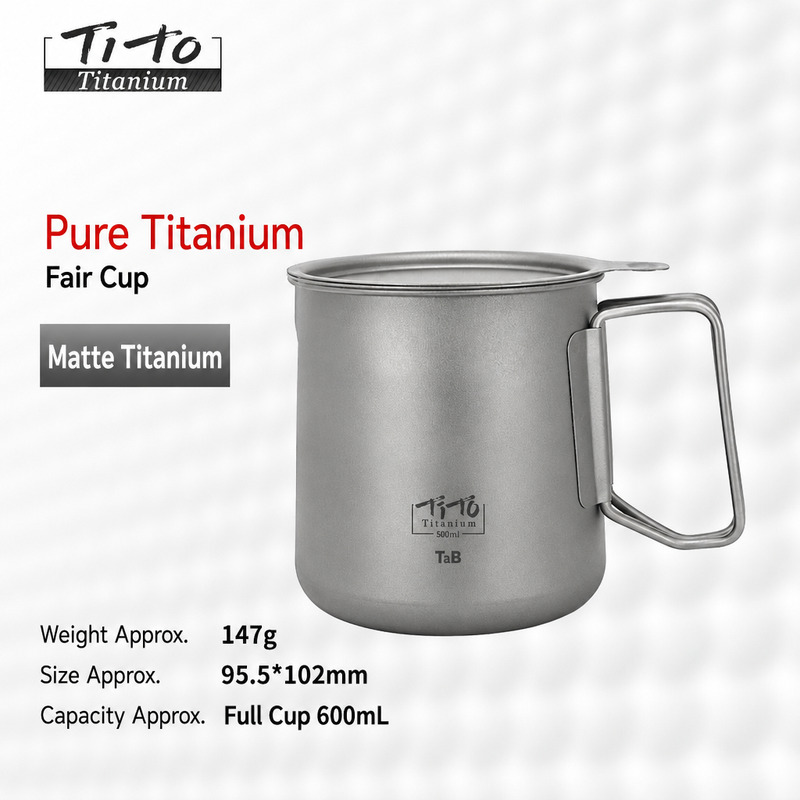
The Folding Handle: The Spec That Decides Whether a Piece Packs
Capacity, weight and finish are the specs buyers compare. The one that decides whether a piece goes in the bag is the handle - and the folding version is not spread evenly.
Read article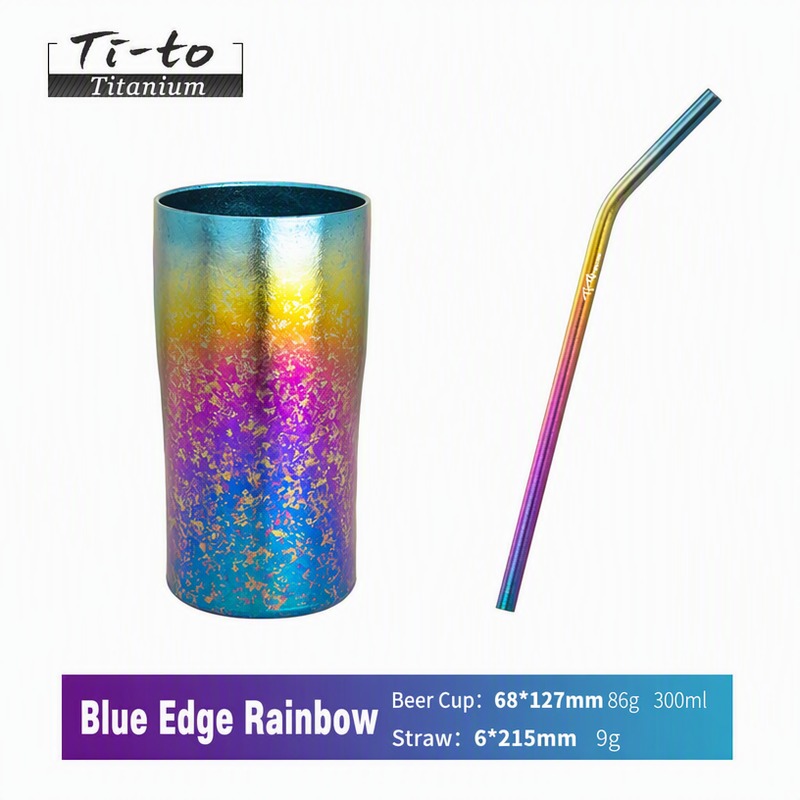
Where Colour Lives: 360 Titanium SKUs, 60 Colour Names
Colour is the spec buyers photograph, and the one that causes the most back-and-forth on a purchase order. Across 360 SKUs there are 60 colour names, and they sit in a very uneven pattern.
Read article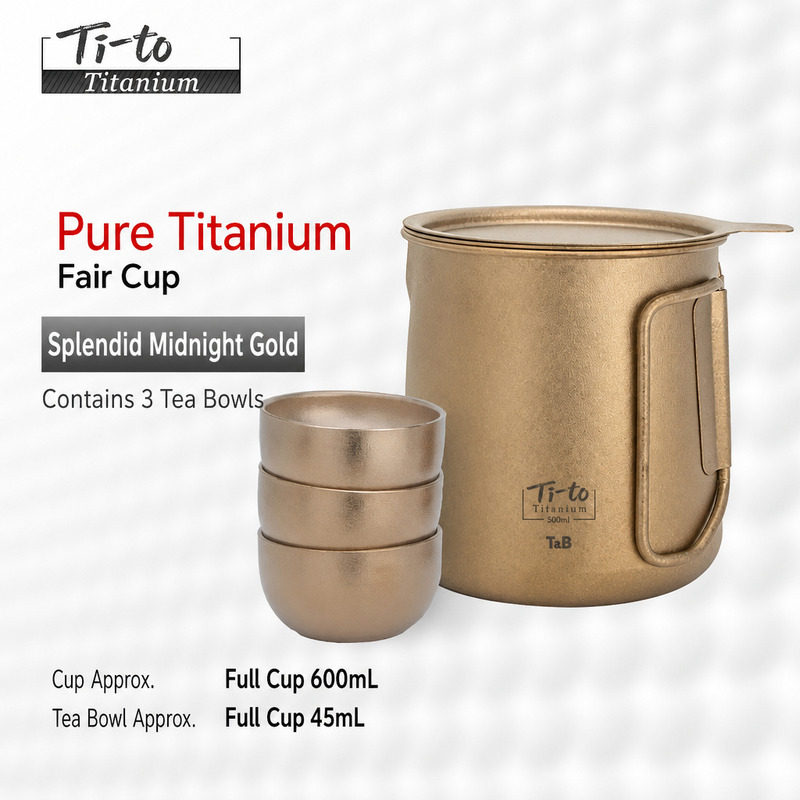
Buying by Venue: 35 Titanium Pieces Named for a Counter, Kitchen or Canteen
Venue buyers do not shop the whole range. Thirty-five pieces name their end-channel in the product name itself, and more than half of them are tablewares.
Read article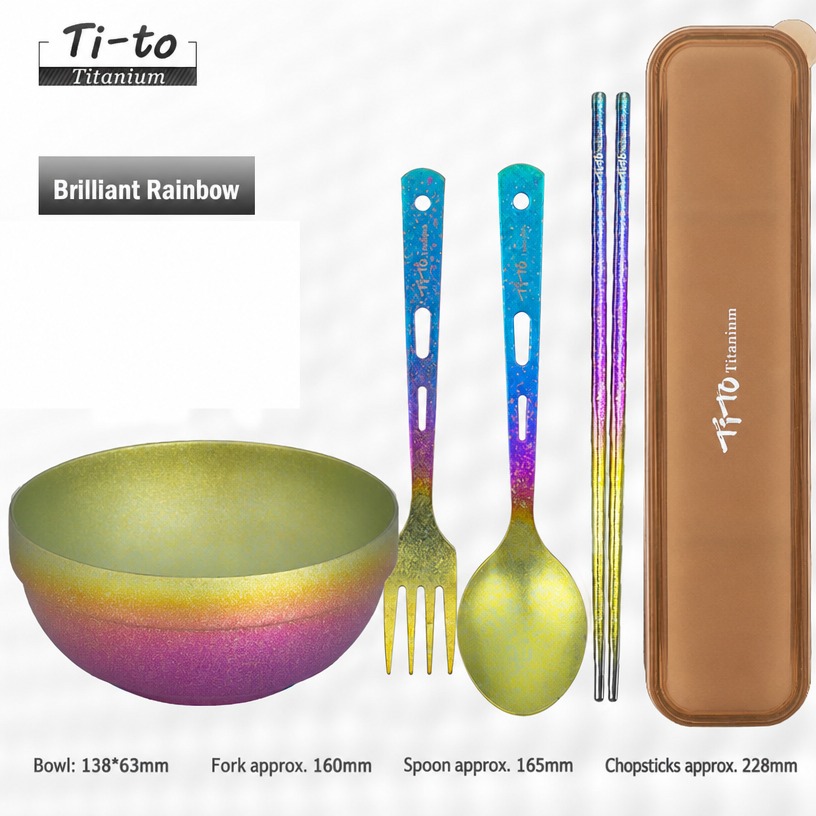
Three Spoon Lengths in One Bowl Size: How to Read a Titanium Set's Spec Line
Capacity tells you the bowl. It does not tell you the cutlery. Across six cased titanium sets the bowl is 138 mm in five of them, while the spoon runs to three different lengths.
Read article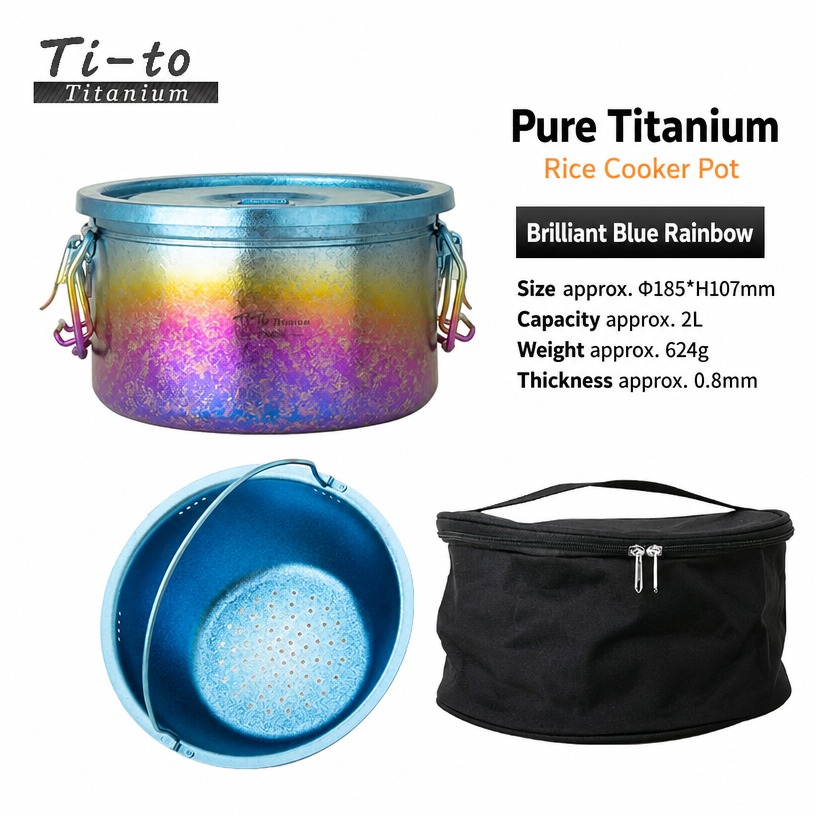
Winter Inverts the Ultralight Rule: 20 Titanium Pieces Where Heavier Is Correct
Ultralight logic says take the lightest piece that works. In winter this range does the opposite - the pegs run from 6 g to 95 g, and colour becomes a safety feature.
Read article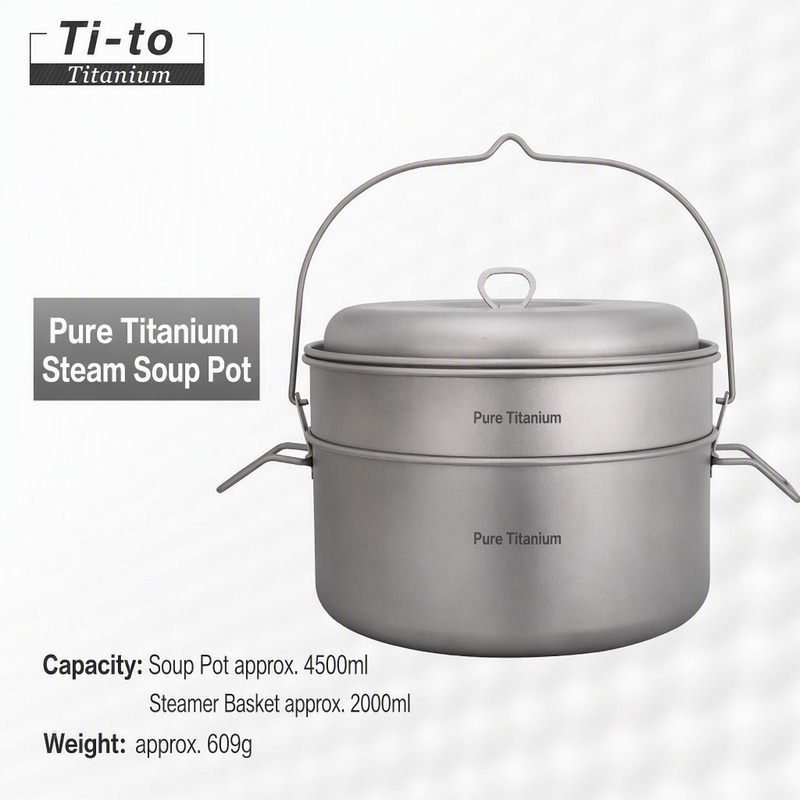
Nineteen Pieces Written for the Coast: No Case, a Lid and a Hole
Coastal kit is not a lighter version of camp kit. Nineteen titanium pieces name a coastal setting, and what changes is not the weight - it is the closures.
Read article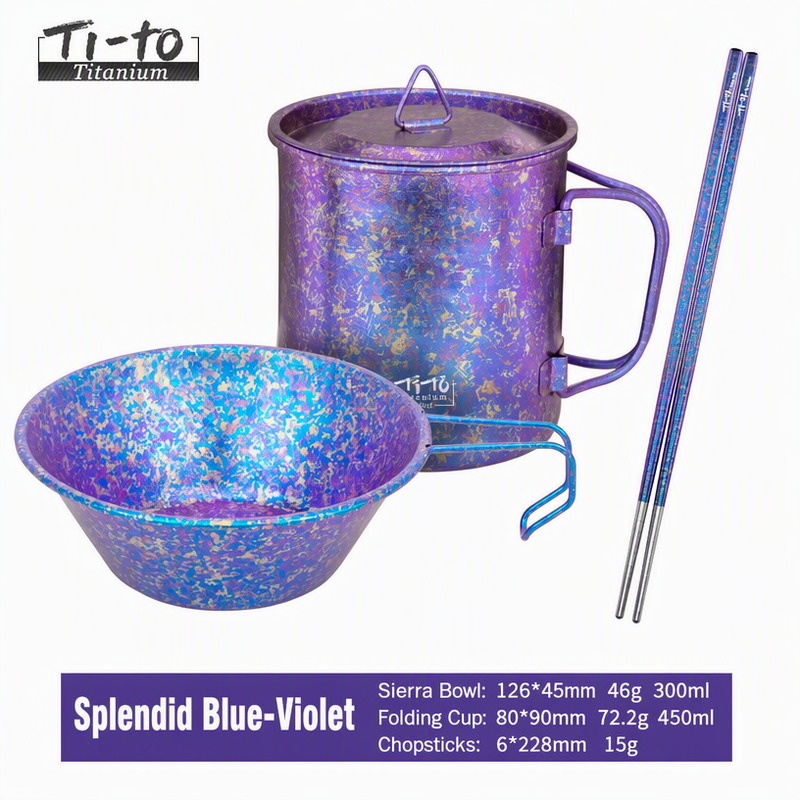
Fourteen Pieces Are Addressed to the Trade, Not the Shopper
Most listings here talk to whoever is holding the cup. Fourteen talk to the buyer instead - and the wording is the tell: wholesale, bulk, OEM, or the name of a channel.
Read article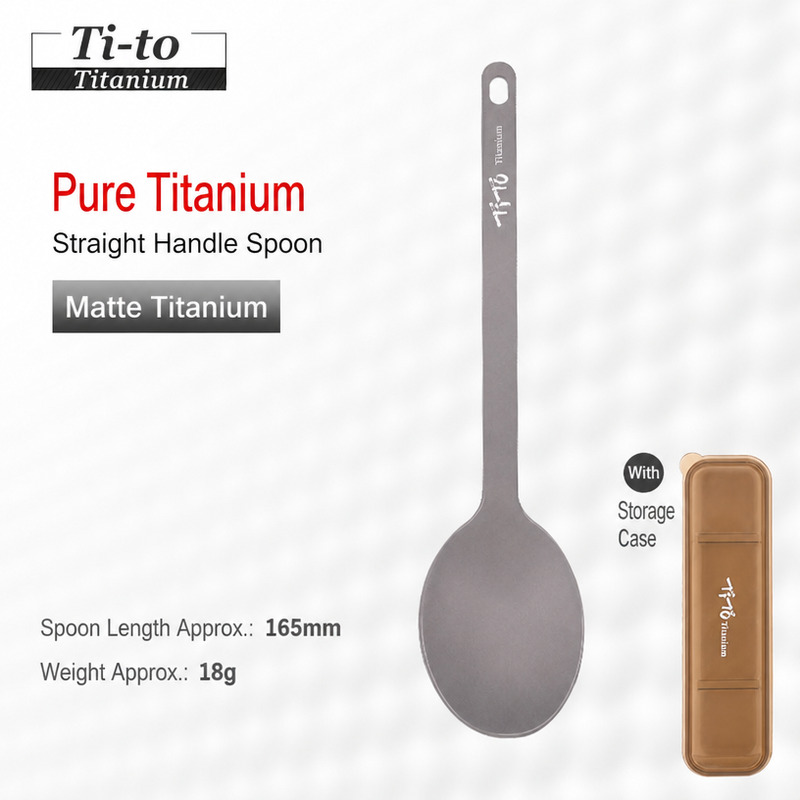
Sixteen Pieces Name a Kitchen That Is Not Theirs
A holiday let, a hostel kitchen, a bothy: the person cooking did not buy the equipment. Sixteen pieces are written for that buyer, and the spec answer differs.
Read article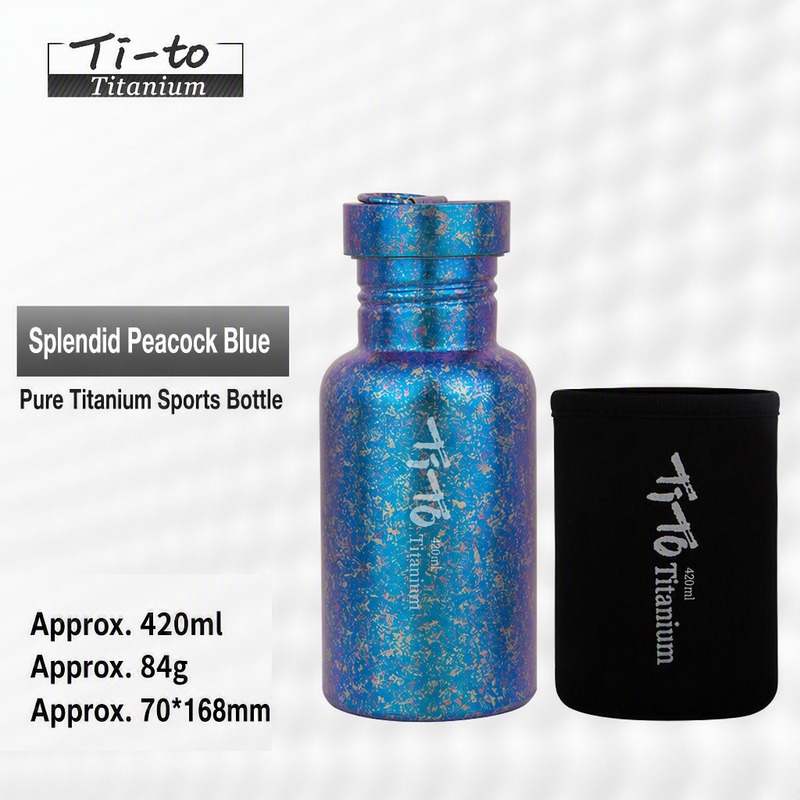
Seven Pieces Written for Recovery, Not Effort
The range has registers for effort - expedition, summit, trek, alpine. It also has seven pieces written for the opposite half of the day.
Read article